
Quick Answers





Which Machining Process Can Be Done Successfully with Robots?
- July 28, 2025
- Jason Chang
- 3:13 am
In today’s advanced manufacturing industry, robots have become an essential tool in improving efficiency and precision.
One area where robots have made a significant impact is in machining processes.
By utilizing robots, manufacturers can achieve higher levels of productivity and accuracy.
1. Milling
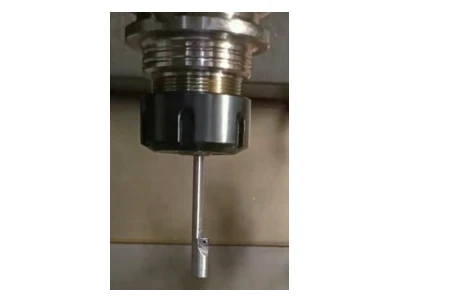
One of the most common machining processes that can be successfully done with robots is milling.
Whether it’s cutting, drilling, or shaping a workpiece, robots equipped with milling tools can perform these tasks with unparalleled precision.
By programming the robot’s movements, engineers can ensure consistent results each time, leading to higher quality products and increased productivity.
2. Turning
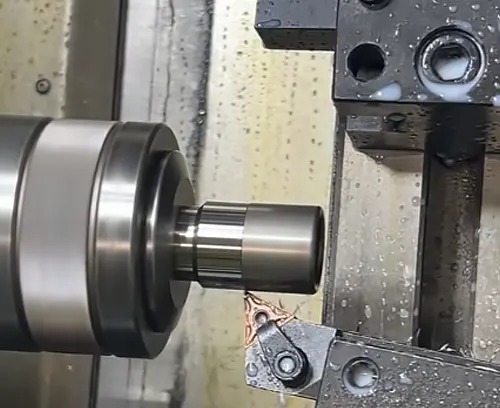
Another machining process that is well-suited for robots is turning.
Robots can be programmed to operate lathes and other turning machines to create precise cylindrical shapes or threaded parts.
With the ability to manipulate the workpiece at various angles and speeds, robots can achieve complex turning operations with ease, providing manufacturers with a cost-effective solution for producing high-quality parts.
3. Grinding
Grinding is a machining process that requires precision and accuracy, making it an ideal candidate for robot automation.
Robots equipped with grinding tools can perform tasks such as surface finishing, edge deburring, and material removal with the utmost efficiency.
By using sensors and feedback systems, robots can adjust their movements in real-time to maintain consistent grinding results, ensuring uniformity across all parts.
4. Drilling
Drilling is a fundamental machining operation that can be effectively automated with robots.
By programming the robot to handle various sizes and types of drills, manufacturers can streamline the drilling process and minimize errors.
Robots can be synchronized with other machining equipment to drill holes at specific depths and angles, allowing for precise and efficient production of parts.
5. Electrical Discharge Machining (EDM)
Electrical Discharge Machining (EDM) is a non-traditional machining process that involves using electrical discharges to remove material from a workpiece.
Robots can be equipped with EDM tools to perform intricate and precise machining operations, such as creating complex contours, sharp corners, and fine details.
By utilizing robots for EDM, manufacturers can achieve high levels of accuracy and repeatability, leading to superior quality parts.
6. Laser Cutting
Laser cutting is a versatile machining process that can be effectively carried out with robots.
By mounting a laser cutting tool on a robotic arm, manufacturers can achieve fast and precise cutting of various materials, including metal, plastic, and wood.
Robots can be programmed to follow intricate cutting paths with minimal waste, resulting in cost-effective and efficient production of parts.
Conclusion
In conclusion, robots have revolutionized the machining industry by offering manufacturers a cost-effective and efficient solution for producing high-quality parts.
By utilizing robots for milling, turning, grinding, drilling, EDM, and laser cutting processes, engineers with a manufacturing background can achieve unparalleled levels of precision and productivity in their operations.
As technology continues to advance, robots will play an increasingly important role in shaping the future of machining, driving innovation and excellence in manufacturing.